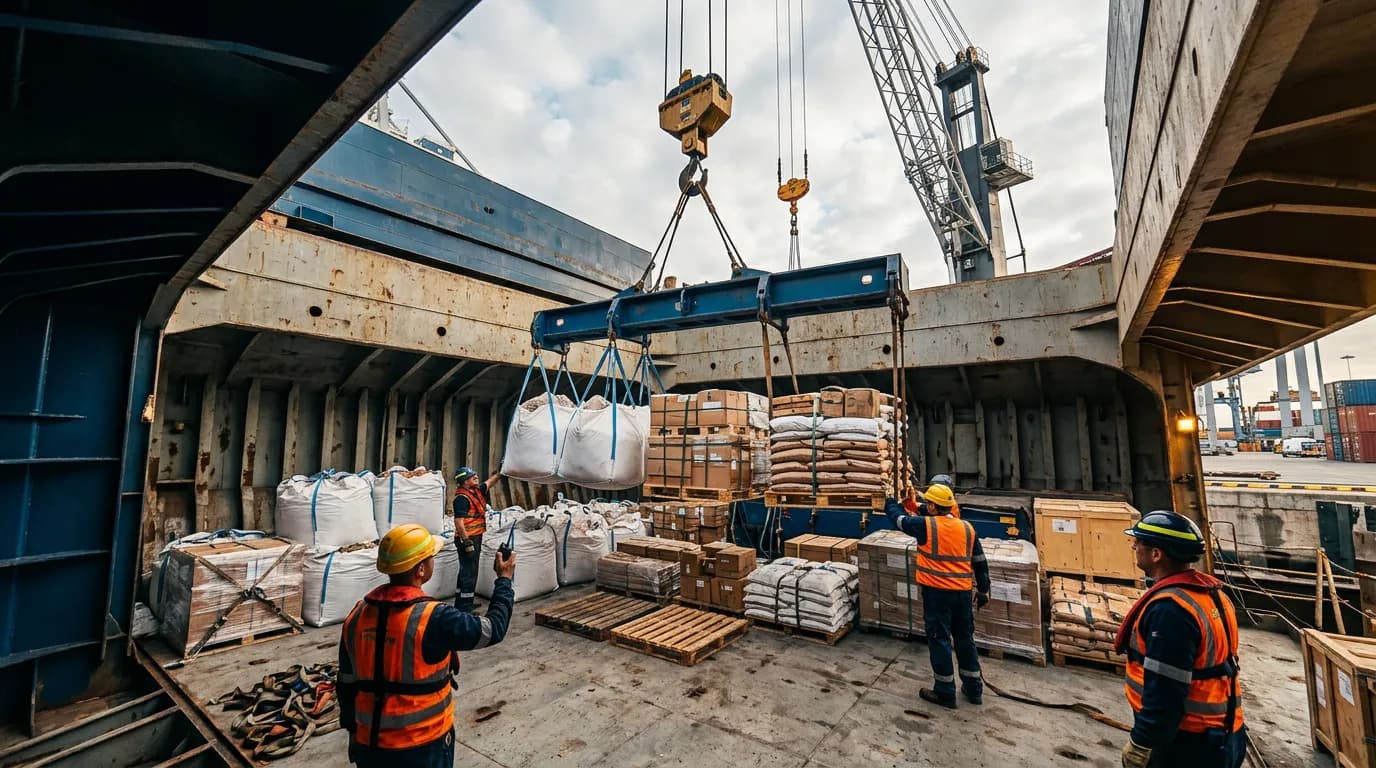
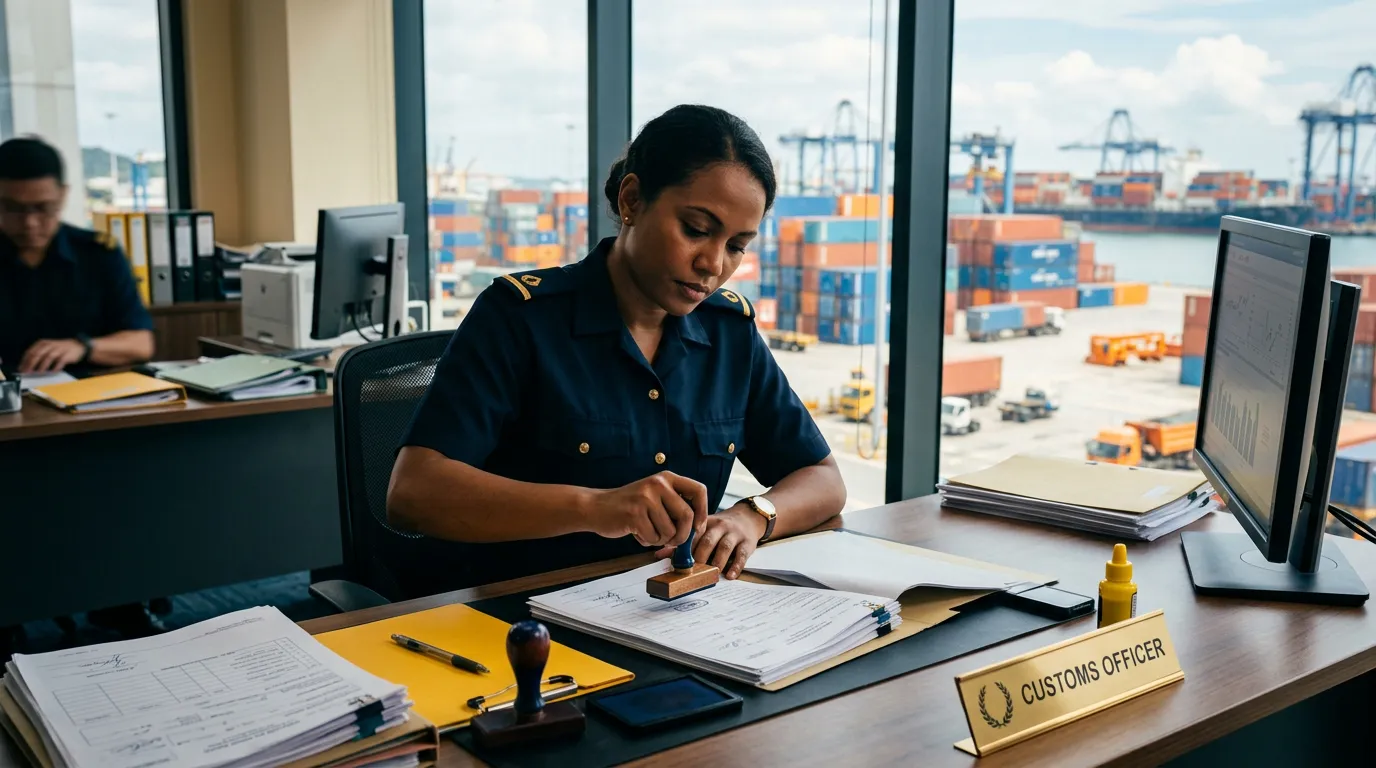
The customs clearance process for imports into Türkiye, tax calculation, practical checklists and how to avoid the most common mistakes.
Preparation Before Import
A successful import starts with identifying the correct HS code of the product, since this code determines the duties payable and the permits required. Misclassification carries the risk of both penalties and unexpected costs. That is why classification should be completed before the order is placed, while you are still negotiating with the supplier. For products with debatable classification, requesting binding tariff information from the customs administration prevents disputes later on.
Before importing, you should check whether the product is subject to any permit, standard or surveillance measure. For some product groups, TSE conformity assessment or ministry approvals are mandatory. Since import communiqués and product safety inspections are updated every year, the fact that past shipments went smoothly does not mean the rules have stayed the same. Checking the current legislation before every new order removes the risk of surprises at the border.
Another pillar of preparation is the supplier and contract side. The proforma invoice must clearly state the product description, quantity, unit price and delivery term, and you must fully understand which costs and risks the chosen Incoterms rule assigns to each party. The document flow also changes depending on whether payment is by letter of credit, documents against payment or advance payment. Clarifying these details up front largely prevents document and declaration inconsistencies at the customs stage.
Required Documents
The core import documents are the commercial invoice, packing list, bill of lading and certificate of origin. Depending on the product, analysis reports, CE certificates or health certificates are added to the file. For imports from countries covered by free trade agreements, movement certificates are the key to duty advantages. Since which documents are accepted as originals and which as copies can vary by product and regime, this should be confirmed in advance.
Consistency across documents is critical; even a mismatch between the invoice weight and the packing list weight can halt the declaration. The product description, quantities, package counts and values must be identical across all documents. A complete and consistent document file cuts customs time from days to hours. Conversely, a single missing signature or stamp leaves the cargo waiting at the port and drives up storage costs.
The arrival of original documents before or together with the cargo must also be planned. The endorsement and delivery terms of the bill of lading directly determine who is entitled to collect the goods from the port. Keeping digital copies of all paperwork in an orderly archive is a great help both during customs queries and in later audits. A good archive also serves as a ready-made template for the next shipment.
The Clearance Process
When the goods arrive in Türkiye, a summary declaration is filed and the cargo is moved to a temporary storage area. The customs broker registers the import declaration electronically, and it is routed to the red, yellow or green channel. Which channel the declaration falls into is determined by the system based on risk analysis. The company's past performance and the quality of its declarations play an important role in this analysis.
The red channel means physical inspection and the yellow channel means document control; in the green channel the goods can be collected directly. During a physical inspection the customs officer compares the goods with the declaration, so neatly stacked and labelled cargo speeds up the work. Once duties are paid and checks are complete, the goods enter free circulation. From that point on, the goods can be sold and moved freely within the country.
Throughout the process, fast and clear communication with the customs broker is decisive. Responding late to information requests from the customs administration leaves the file waiting in the queue. Being ready to present additional documents or explanations on inspection day shortens the time spent in the red channel. An experienced operations team anticipates likely questions and places the answers in the file from the start.
Duties, Taxes and Cost Calculation
The main charges on import are customs duty, VAT and any additional financial obligations; rates vary by HS code and country of origin. Free trade agreements can provide significant duty advantages with the correct proof of origin. Offers for the same product from different countries of origin should be compared not just on unit price but on total cost including the tax burden. An improperly issued certificate of origin means losing an advantage you were entitled to.
Freight, insurance, port charges and storage fees must also be included in the cost calculation. A frequently forgotten detail is that the VAT base is calculated not on the goods value alone but on the customs value including freight and insurance. A realistic total-cost table is the foundation of healthy sales pricing. A single miscalculated item can quietly erode the profit margin.
Exchange rate movements also directly affect import costs. The difference in rates between the order date and the date duties are paid can push the budget off plan. It is therefore wise to use a cautious exchange rate assumption in the cost estimate and, where possible, structure the payment schedule accordingly. For companies that import regularly, a standard cost template prepared together with the finance team brings consistency to every shipment.
A Step-by-Step Import Checklist
The pre-order tasks are clear: identify the product's HS code, research the permits and standards it is subject to, list the duty rates and calculate the estimated total cost. The list of documents to be obtained from the supplier is written into the contract. The delivery term and payment method are finalized. If this stage is skipped, every subsequent step is built on uncertainty.
At the shipment stage, the accuracy and consistency of the documents are checked, cargo insurance is arranged and the transport organization is confirmed. Notifying the customs broker before arrival once the cargo is under way allows the declaration to be prepared in advance. The whereabouts of the original bill of lading and certificate of origin must be known at all times. Every task completed before arrival is time gained at the port.
After arrival, the declaration is registered, duties are paid and the goods are collected. The cargo should be checked for damage on delivery, and any damage recorded in a report on the spot. Archiving all documents and the declaration is a legal requirement for possible later audits. A brief review after each shipment is closed makes the next import run more smoothly.
Common Mistakes and How to Avoid Them
The most frequent mistakes include incorrect HS code declarations, missing documents and failing to check product regulations in advance. The common root of these errors is not allocating enough time to the preparation stage. The remedy is simple: verify the code, the legislation and the document list in writing before placing the order. A clear document instruction sent to the supplier prevents most errors at the source.
Another widespread mistake is misreading the Incoterms rules; when an importer accepts a price without knowing which costs and risks fall on them, surprises are inevitable. Shipping cargo uninsured is likewise taking a major risk for the sake of a small saving. The delivery term and the insurance coverage must be stated clearly and confirmed in every contract. In foreign trade, ambiguity is the most expensive line item.
Poorly managed storage time also generates unnecessary warehousing costs; every cargo waiting at the port because the documents are not ready quietly eats into the budget. The most common scenario is leaving the paperwork to the last day even though the arrival date is known well in advance. Planning the process correctly from the start is always cheaper than fixing it later.
A Real-World Scenario
Consider a company importing scrap metal across the Black Sea. At the order stage it verified the HS code, researched the standards the product is subject to and sent its supplier a complete document list. While the cargo was at sea, the declaration was prepared, and on arrival the document file was ready and waiting. The result is minimal waiting at the port and a cost table in line with the planned budget.
What an unprepared importer experiences with the same product is familiar: because the certificate of origin arrived incomplete, the duty advantage could not be used, and an inconsistency in the packing list triggered extra queries in the yellow channel. While the cargo waited at the port, storage charges accumulated, and a difficult explanation had to be given to a customer whose delivery date had slipped. None of these problems was unforeseeable; all of them could have been solved at the preparation stage.
The difference between the two scenarios is neither luck nor knowledge of the legislation; the difference is a disciplined preparation routine. Novi Mühendislik's own operational experience in scrap metal shipments confirms the same lesson: behind every shipment that passes customs smoothly stands quiet preparation that began weeks earlier. Companies that build this routine turn importing from a risk zone into a plannable business process.
Expert Tips
For products with contested classification, obtaining binding tariff information is a powerful tool that prevents disputes which could otherwise drag on for years. The relationship with the customs broker should be built at the order stage, not after the cargo reaches the port. When the broker knows the product, the trade model and the document flow in advance, the quality of the declarations rises directly. A good broker is a partner who prevents problems rather than one who solves them.
A simple method for document consistency is to create a standard paperwork template used across all shipments. Adding the document list and issuing rules to the contract with the supplier ensures the other side works to the same standard. Recording the hiccups of each shipment in a short note builds institutional memory. That memory preserves the quality of the process even when staff change.
Closely monitoring port and storage processes is also part of cost control. In peak seasons, port and warehouse capacity can tighten, so critical shipments should be planned outside these periods where possible. An importer who establishes a regular flow of information between the carrier, the port agent and the customs broker catches delay signals early. Every problem heard about early is solved while it is still small.
Conclusion: Planned Imports Pay Off
The import customs process in Türkiye is a predictable flow when the steps are known and preparation is taken seriously. Correct HS classification, a complete document file, a realistic cost calculation and disciplined follow-up are the four cornerstones of the process. When these cornerstones are in place, customs becomes a routine stage rather than an obstacle. The vast majority of importers who run into trouble are those who skipped one of these foundations.
In the coming period, the digitalization of customs processes is accelerating and the use of electronic documents is spreading. This transformation will make procedures even faster for prepared companies; for unprepared ones, it will not reduce the room for error. Monitoring the legislation regularly and putting processes in writing is the soundest way to adapt to change. Companies that want to last in foreign trade should make this investment today.
Drawing on its own import and export operations and its shipping experience on the Black Sea lines, Novi Mühendislik helps its customers plan their customs processes end to end. Whatever stage of your import journey you are at, you can contact our team for a sound roadmap. Every import that starts with a plan is won at the desk, not at the port.