Key trends on the Türkiye–Russia trade lane, product groups in demand, market entry steps, cost items and emerging opportunity areas.
A Growth Trend in Trade Volume
Trade between Türkiye and Russia has gained remarkable momentum in both directions in recent years. Geographic proximity and complementary economies support the durability of this growth. The short sea distance between ports on the two shores of the Black Sea makes this lane more advantageous than road and rail alternatives for most products.
Supply chain shifts in the Russian market have opened new space for Turkish producers across many categories. Companies that read this window of opportunity well are rapidly increasing their market share. Türkiye's diversity of production can answer the needs of Russian buyers across a wide range, from construction materials to food.
The growth is not only in the export direction; scrap metal, semi-finished steel and various raw materials flow regularly from Russia to Türkiye. Two-way cargo flow allows vessels to sail full on both legs, lowering transport costs. This balance is a critical advantage for the long-term sustainability of the lane.
Product Groups in Demand
Construction materials are the locomotive of demand; cement, gypsum and gypsum-based adhesives find constant buyers in the Russian construction sector. Housing and infrastructure projects in southern Russia keep this demand alive. The quality standards and delivery reliability of Turkish producers have made it easier to build lasting relationships in this category.
On the food side, olives, chocolate, dried fruit and canned goods stand out, while cleaning products are another fast-growing category. Turkish brands have earned a strong shelf position with their balance of price and quality. Products with long shelf life and durable packaging are the food items best suited to sea transport.
In the import direction, the metals and scrap group attracts attention; Türkiye is one of the largest scrap importers in the world, and its electric arc furnace steelmaking keeps that demand permanent. The shift towards recycling and lower-carbon steel production will support the growth of this category in the coming period as well. Companies able to manage the two-way product flow together capture the full potential of the lane.
New Developments in Logistics
Capacity investments in Black Sea ports and regular liner services are shortening transport times between the two countries. Ports such as Karasu, Ünye and Bartın have become new bases of regional export. Being less congested than the major hubs, these ports speed up loading and discharge operations.
Direct voyages to the ports of Rostov, Temruk, Sochi and Kavkaz eliminate transshipment costs. Routes such as Karasu–Rostov, Ünye–Temruk and Bartın–Sochi connect production regions to target markets by the shortest sea path. Carriage without transshipment reduces not only cost but also the risk of damage and delay.
Digital tracking systems increase cargo visibility and add confidence to trade. When buyers can follow which stage their cargo has reached, order planning and stock management become easier. Sharing documents electronically also allows customs procedures to be prepared in advance.
A Practical Checklist for Market Entry
The first step is to clarify the certification and labelling requirements of the target product group in Russia. Conformity documents, technical regulations and Russian-language labelling obligations vary by product category. Packaging produced without this research can cause serious problems on arrival.
The second step is to establish a reliable buyer and a sound payment structure. Starting a new relationship with advance payment or bank-secured methods limits the risk. Researching the buyer's commercial history and obtaining references where possible prevents collection problems before they arise.
The third step is choosing the logistics partner and testing the process with small trial shipments. A trial shipment allows the documents, the packaging and the customs procedures to be tested under real conditions. Lessons learned in the first shipment make it possible to correct the system before moving to large lots.
Documents and the Certification Process
Exports to Russia may require a declaration or certificate of conformity depending on the product category, while food products involve additional health and hygiene documents. Since preparing these documents takes time, the process should begin well before the shipment plan. Cargo with missing documents is held at the port of arrival and generates extra costs.
The completeness and consistency of core documents such as the certificate of origin, the invoice, the packing list and the bill of lading determine the speed of customs passage. Inconsistencies between the product description, quantity and weight details across documents are among the most frequent causes of delay. Sharing the document set with the buyer for confirmation before loading is a simple but effective precaution.
On the labelling side, product information must be prepared in Russian and content declarations must comply with local regulations. Carrying out the labelling work together with the buyer improves both regulatory compliance and marketing effectiveness. A properly prepared label is the precondition for the product to compete with local brands on the shelf.
Common Mistakes and How to Avoid Them
The most common mistake is entering the market dependent on a single buyer without market research. Working with one customer means that customer's payment or demand problems halt all exports. Diversifying buyers across several regions and channels is the foundation of sustainable growth.
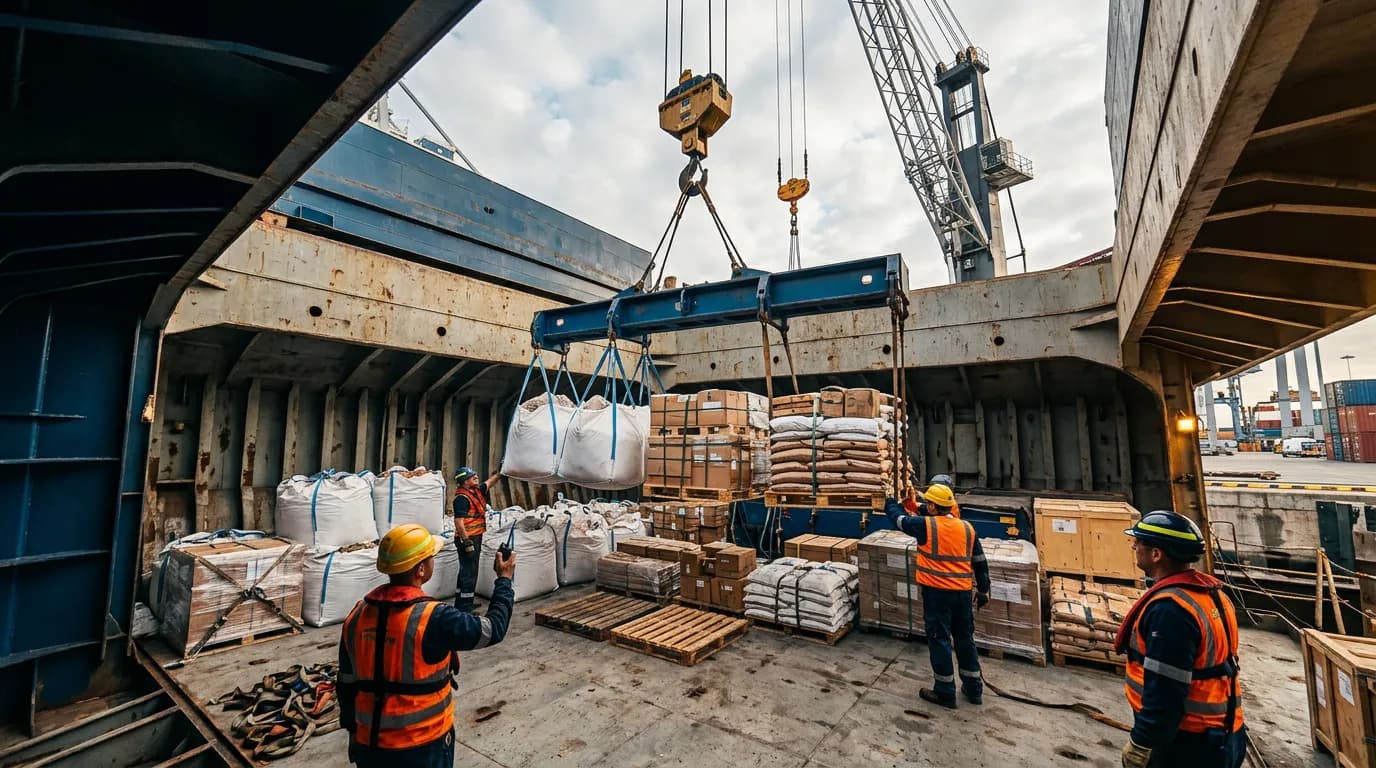
The second mistake is failing to design packaging and stowage for sea transport. Packaging prepared for road transport may not withstand the humidity and handling of a ship's hold. Details such as pallet configuration, shrink wrapping and the use of desiccants directly affect the damage rate on arrival.
The third mistake is leaving currency and payment terms unclear in the contract. The reference currency, the maturity structure and the sanctions for late payment must be written explicitly. Payment terms left vague can turn into disputes even when the commercial relationship is at its strongest.
Cost Items and Pricing
When building an export price, inland transport, port charges, freight, insurance and documentation costs are added on top of the cost of the goods. Each of these items varies with the size of the shipment and the chosen delivery term. Price quotations given without an item-by-item cost table usually end in losses.
Freight is the most variable item in the total cost; sailing frequency, cargo balance and seasonal demand influence prices. Companies able to commit to regular shipments have a better chance of agreeing favourable terms with carriers. On routes with return cargo, the unit cost of carriage falls noticeably.
Hidden costs must also be taken into account: waiting at customs, storage, demurrage and document correction expenses can strain the budget. In a well-planned operation these items remain minimal; with weak planning they can erode the profit margin. An experienced logistics partner is the best safeguard for keeping these invisible items under control.
A Real Scenario: From Small Producer to Regular Exporter
Consider a medium-sized company producing gypsum-based products in the Marmara region. The company first contacts building materials distributors in southern Russia and tests product compatibility by sending samples. After positive feedback, a small trial lot sets sail from one of the Black Sea ports.
In the trial shipment, the packaging and document processes are tested under real conditions; labels and pallet configuration are improved with the buyer's feedback. In the second and third shipments the quantity grows and trust forms between the parties. The company then moves to a regular monthly shipment plan and improves its freight terms as well.
At the end of a year, this company has moved from one-off sales to regular export revenue. The keys to success are step-by-step progress instead of hasty growth, learning from every shipment and working with the right partners. This model can be adapted for almost any product group newly entering the lane.
Expert Tips
Feed market decisions with local sources: industry fairs, trade counsellors and logistics companies working in the field offer knowledge beyond desk research. Face-to-face relationships with buyers build trust far faster than written communication in this geography. Combining fair seasons with shipment planning saves both cost and time.
Reassess the delivery term and payment conditions in contracts every season; the structure that was right last year may not be ideal under changed freight and currency conditions. Assigning document processes to a single responsible person visibly reduces the error rate. Even a simple shipment calendar shared with the buyer greatly improves operational alignment.
On the product side, diversify in line with the climate and consumption habits of the target region. The construction season of southern Russia and the demand periods for food products move to different rhythms; the product mix should be planned around this rhythm. When seasonality is managed well, a balanced shipment flow can be established throughout the year.
Outlook and a Roadmap for Exporters
In the coming period, the Türkiye–Russia lane is expected to keep developing, supported by logistics infrastructure investments and mutual demand. The multiplication of regular sailings between Black Sea ports will also make it easier for small and medium-sized companies to join this trade. Companies that enter the market early and well prepared will enjoy the advantage of lasting relationships.
Companies entering the market should first clarify the certification requirements of their target product group and then choose a reliable logistics partner. Starting with small trial shipments is the healthiest way to learn the process. Reviewing the documents, the packaging and the payment structure at every step puts growth on solid foundations.
Novi Mühendislik provides end-to-end service on the Türkiye–Russia lane with export operations and Black Sea ship voyages such as Karasu–Rostov, Ünye–Temruk and Bartın–Sochi. When the right product, the right documents and the right logistics come together, this corridor is a major growth area for Turkish companies. Feel free to contact our team to evaluate your market entry plan together.