
Novi Mühendislik

End-to-End Import: From Supplier to Your Warehouse

Behind every consignment you bring in from abroad lies a chain of connected steps: supplier selection, contracts, transport, customs and inland distribution. Novi Engineering manages that entire chain on your behalf.

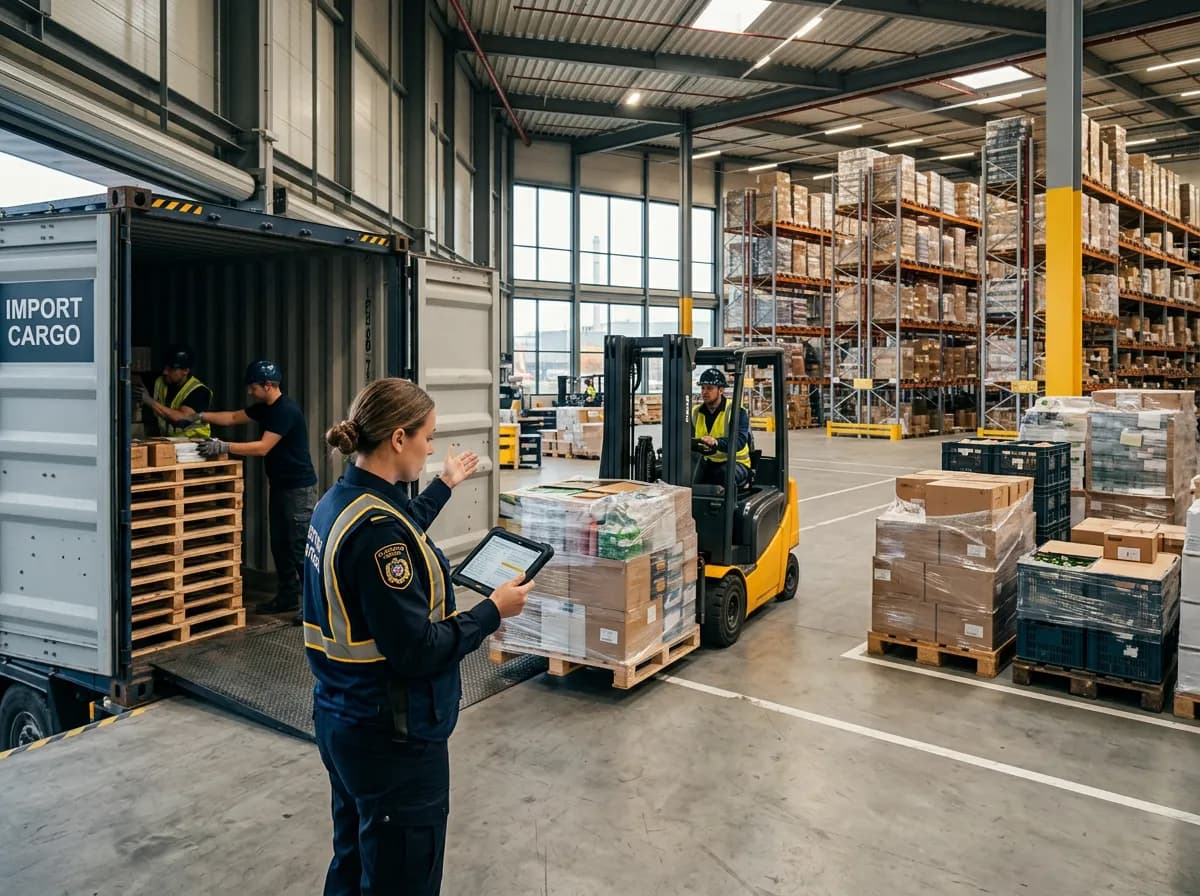
Importing is not a single purchase transaction; it is a multi-step operation that runs from finding the right supplier to declaring the correct tariff heading at customs. A hold-up at any one of those steps feeds straight through to your cost and your delivery date. We run the whole process through a single counterpart — supplier research, sea transport, customs formalities and final-mile delivery — and give you a clear schedule and a transparent cost breakdown at every stage.

Who Is It Right For?

First-Time Importers

We structure the process from scratch, from supplier verification to customs legislation, and flag the risks before they cost you.

Building a Regular Supply Chain

For repeat shipments we set up a fixed route, fixed cost and a predictable delivery calendar.

Project and Heavy-Lift Imports

Bespoke loading plans and on-site coordination for machinery, equipment and out-of-gauge cargo.

Import

When You Leave the Import to Us

  • A Single Counterpart

    You never have to coordinate between supplier, carrier and customs broker yourself.

  • A Predictable Schedule

    Loading, arrival and clearance dates are planned upfront, and you hear immediately if anything slips.

  • Transparent Costs

    Every cost line is explained item by item at the quotation stage.

  • Managed Risk

    Pre-shipment inspection and cargo insurance keep your goods covered end to end.

  • Three Languages

    We speak to your supplier in Turkish, English or Russian with the same clarity.

Share your import plan with us — tell us the product, the volume and your target delivery date, and we'll come back the same day with a clear cost and schedule.

Contact Us

Where the Real Cost of Importing Comes From

The first number anyone looks at in an import deal is the unit price of the goods — yet a large share of what determines the total cost never appears on the price list. Freight, insurance, port and terminal charges, duties, delivery-order and warehousing fees and inland haulage add a considerable load on top of the goods themselves. Failing to calculate those lines upfront is the single biggest source of the surprise costs that surface after the order is placed.

At Novi Engineering we itemise every one of these lines in each import quotation. That lets you see exactly where a cost comes from and compare alternative scenarios — a different port, a different delivery term, a different shipping form — against real figures. The decision stays yours; we simply make the table transparent.

  • Goods value, freight and insurance shown separately
  • Duties, VAT and other charges calculated in advance
  • Port, terminal, delivery-order and warehousing costs clarified
  • Inland haulage and storage included in the quotation

Supplier Selection and Verification

The greatest risk in overseas sourcing is placing an order before you really know the other party. The cheapest offer very often produces the most expensive outcome: delayed shipment, off-specification goods or communication that simply stops — each costing you both money and time. That is why we do not treat supplier research as a price-comparison exercise.

We research manufacturers against your requirement and pre-screen them on capacity, references, export history and product documentation. We handle first contact and the sampling process with the shortlisted firms and give you a comparative list. If you already work with your own supplier, we skip this step and take on only the logistics and customs side — the scope of the service follows your needs.

  • Capacity, reference and export-history checks
  • Product documents and certifications reviewed in advance
  • Sampling process and first contact managed for you
  • A comparative supplier shortlist with our recommendation

Incoterms: Where Responsibility Changes Hands

The delivery term written into the contract decides at which point cost and risk pass to you. Under EXW the cargo becomes your responsibility at the factory gate; under CIF the seller carries freight and insurance to the arrival port; under DAP the goods are brought all the way to a named address. The difference between those three options directly changes both the total you pay for the same product and who is liable if something goes wrong.

The right Incoterm depends on your supplier's logistics capability and on how much control you need. When we manage the transport we usually prefer FOB or FCA: the leg up to the port stays with the seller, while the sea passage and everything after it come under our control. That structure keeps costs transparent and keeps command of the shipment in our hands.

  • The difference between EXW, FCA, FOB, CIF and DAP made clear
  • Transfer point for risk and cost written explicitly into the contract
  • Cost control through FOB/FCA when we handle transport
  • Insurance obligation settled from the outset

Customs and the Document Chain

The overwhelming majority of customs delays come down to paperwork: a missing certificate of origin, a packing list that does not match the invoice, or a wrong tariff heading can leave cargo sitting for days and rack up additional warehousing charges. That is why we start on documentation at the order stage, not once the shipment is already moving.

We check the commercial invoice, packing list, bill of lading, certificate of origin and any product-specific documents together with the supplier. By determining the tariff heading in advance we know the duty rate and any additional obligations upfront. Coordination with the customs broker is ours to run; all we need from you is a power of attorney and your company details.

  • Document checks that begin at the order stage
  • Tariff classification and duty rate calculated in advance
  • Origin, conformity and product-specific certificates tracked
  • Customs broker coordination handled by us

Shipping Form and Volume Planning

The same cargo produces very different costs depending on its volume and urgency. Full-container (FCL) loads give the lowest cost per unit, while for smaller volumes part-load (LCL) shipping or consolidation makes more sense. Our regular Black Sea sailings let us set up a fixed schedule and a predictable cost for your repeat shipments.

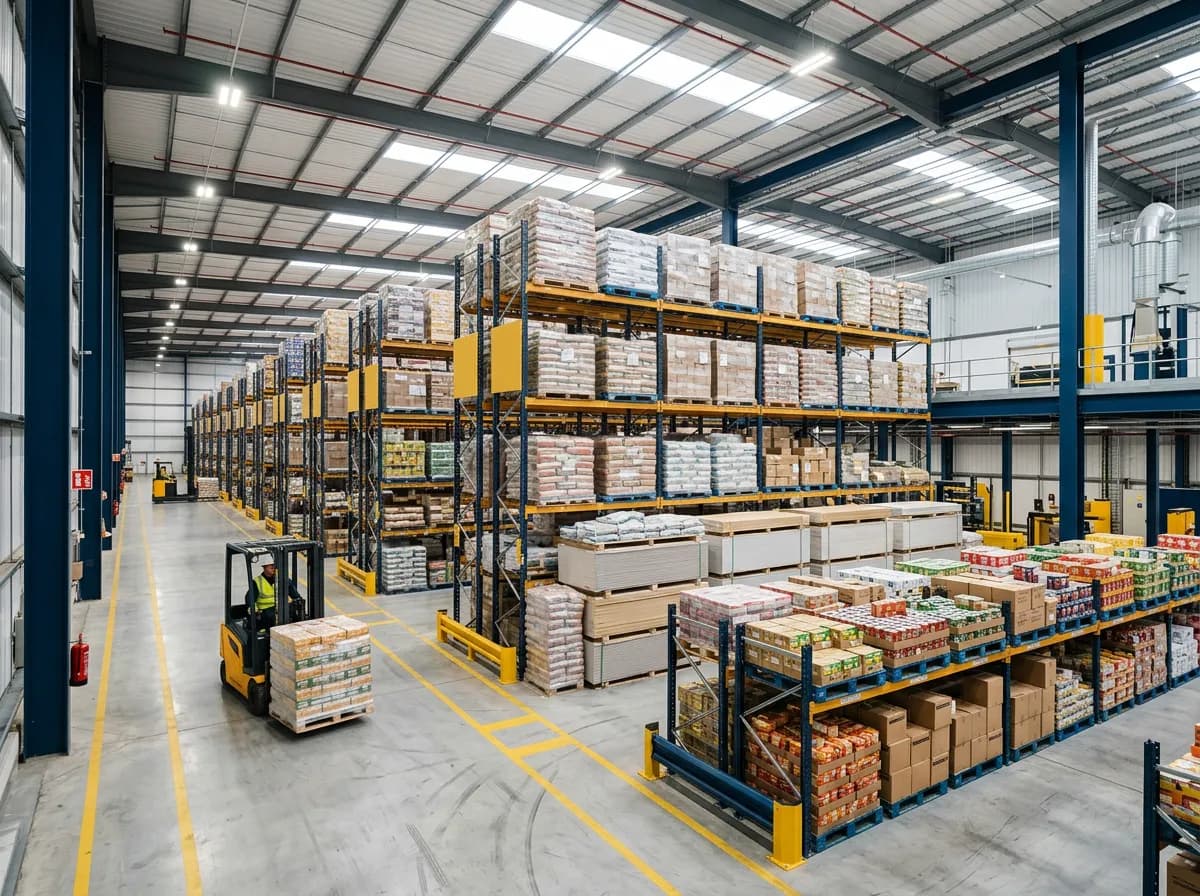
For companies importing regularly we recommend planning on annual volume. When shipment frequency, stock policy and cash flow are considered together, meaningful savings are available on both warehousing and freight. Where useful we also put options such as bonded warehousing and partial clearance on the table.

  • FCL, LCL and consolidation options compared
  • A fixed schedule and predictable freight on our own sailings
  • Annual volume planning and stock policy support
  • Bonded warehousing and partial clearance alternatives

Why Novi?

Importing is a multi-step process requiring coordination between supplier, carrier, customs broker and inland haulier. Working with a separate counterpart for each of those steps scatters responsibility, so that when something slips, nobody owns it. With Novi you have one counterpart across the whole chain — and when there is a problem, the fix comes from the same place.

Our team works in Turkish, English and Russian; we speak to your supplier, the shipping line and you with the same clarity. Founded in Istanbul in 2023, Novi Engineering carries the operational experience it built in export and ship management straight into its import work. Get in touch to talk through your import plan and we'll map out a realistic route based on your product, volume and target timeline.

  • A single counterpart from sourcing to delivery
  • A transparent cost table and regular updates
  • Service in Turkish, English and Russian
  • The shipping flexibility our own routes provide

How Our Import Process Works

  1. 1

    Needs Analysis and Supplier Research

    We define your product, volume and target cost, then research suitable suppliers and verify their references and capacity.

  2. 2

    Quotation, Contract and Payment Terms

    We structure price, delivery terms (Incoterms) and payment conditions in your favour, and manage the L/C or wire transfer process.

  3. 3

    Pre-Shipment Inspection

    We organise quantity, packaging and quality checks before loading so that incomplete or faulty cargo never leaves the origin.

  4. 4

    Transport and Customs Clearance

    We plan the sea or multimodal leg and handle the import declaration and all customs formalities on your behalf.

  5. 5

    Delivery and Inland Distribution

    After clearance we move your cargo to your warehouse or final address, with temporary storage where needed.

Import FAQs

Do you find the supplier?

If you want us to, yes. We research manufacturers matching your specification, check capacity, references and certifications, and give you a comparative shortlist. If you already have your own supplier, we simply take on the logistics and customs side.

Who handles customs?

Declaration preparation, tariff classification and coordination with the customs broker are our responsibility; all we need from you is a power of attorney and the invoice details.

What does the cost figure include?

Beyond the goods themselves, our quote itemises freight, insurance, port and terminal charges, duties and inland haulage separately — no surprise costs later.

Can I import small volumes?

Yes. We can book space on our regular sailings for less-than-container (part) loads, and offer consolidation for smaller volumes.

Let's plan your next shipment together

Tell us what you need and we'll get back to you the same day with a tailored solution and quote.

Get a Quote Now